

Description
Product details
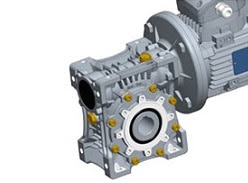
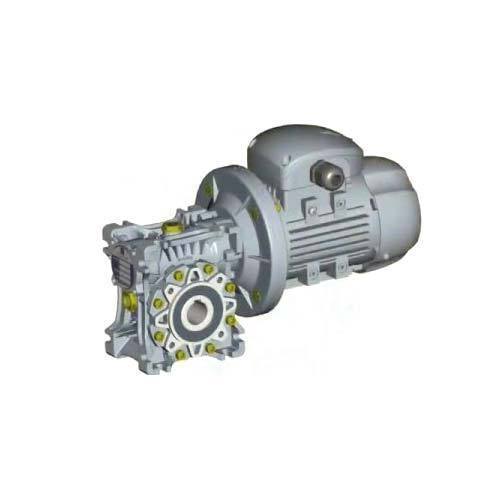
ROTOMOTIVE WORM GEARBOX Worm Gearbox Overview A worm gearbox is a type of reduction gearbox that uses a worm (a screw-like gear) and a worm gear (a gear similar to a helical gear) to transmit motion and torque between non-intersecting shafts. Worm gearboxes are often used in applications where high torque and space efficiency are needed. Key Components of a Worm Gearbox: Worm: The worm is a cylindrical gear that has a helical thread running along its length, much like a screw. It meshes with the worm gear and drives it. Worm Gear: This is a toothed wheel that engages with the worm, typically designed with teeth that match the angle of the worm threads. Housing: The gearbox casing that holds all the components in place. Output Shaft: The shaft that transmits the final output of the system after the reduction in speed. How the Rotomotive Action Works: The term 'rotomotive' emphasizes the rotational motion that is transmitted through the gearbox. Here’s a step-by-step breakdown of how the rotomotive action works in a worm gearbox: Rotational Input: A motor or an external power source turns the worm, which is the driving gear in the system. The worm shaft is usually powered by a rotating motor. Meshing Action: As the worm rotates, its helical threads mesh with the teeth of the worm gear. The unique feature of the worm gear is that it’s self-locking, meaning that the worm gear can’t drive the worm back, which is one reason why worm gearboxes are often used for applications requiring safety features like preventing reverse motion. Torque Transmission: The rotation of the worm causes the worm gear to rotate, but because of the way the teeth engage, the worm gear rotates at a slower speed and with higher torque compared to the input. This is due to the reduction ratio, which depends on the number of threads on the worm and the number of teeth on the worm gear. Rotomotive Output: The rotational energy that comes from the input (the motor turning the worm) is transmitted to the output shaft via the worm gear, and in doing so, the gearbox reduces speed but increases torque. The result is the rotomotive action: a transformed rotational motion with altered speed and torque. Advantages of Worm Gearboxes: High Torque Output: Because of the reduction ratio, worm gearboxes can provide significant torque amplification. This is particularly useful in heavy-duty applications. Compact and Efficient: They allow for a high reduction ratio in a compact form factor, which is useful in applications where space is limited. Self-locking: Worm gears are often self-locking, meaning that they prevent backdrive (reverse motion), which adds a level of safety and stability to systems that need to hold positions without external force. Applications of Worm Gearboxes: Lifts and hoists (due to the self-locking nature) Conveyor systems Robotics Automated machinery (where precise, high-torque movement is necessary)